Interesting talk from Simon Sinek highlighting why it can be challenging to manage millennials (this includes me) in the workplace. He talks about a number of socio-economic factors that have led to a very different culture from that which has come previously. It’s great if you manage a millennial but I also found it really insightful being a millennial it highlighted certain behaviours I have that I hadn’t considered before and made me want to try a few things like not sleeping with my phone next to me!
Category: Development
-
If music gives you goosebumps, your brain might be special
Do you ever get that feeling when listening to a great song that makes all the hairs on your arm stand on end?
Experiencing sensations like goose bumps or a lump in the throat when listening to music is quite rare and unique. Matthew Sachs a former undergraduate at Harvard, last year studied individuals who get chills from music to see how this feeling was triggered.
The research examined 20 students, 10 of which admitted to experiencing the aforementioned feelings in relation to music and 10 that didn’t and took brain scans of all of them all. He discovered that those that had managed to make the emotional and physical attachment to music actually have different brain structures than those that don’t. The research showed that they tended to have a denser volume of fibres that connect their auditory cortex and areas that process emotions, meaning the two can communicate better.
Sachs’s findings have been published on Oxford Academic but he is quoted by Neuroscience as saying:
“The idea being that more fibers and increased efficiency between two regions means that you have more efficient processing between them.”
This means if you do get chills from music you are more likely to have stronger and more intense emotions. Plus these sensations can also be associated with memories linked to a certain song, which cannot be controlled in a laboratory setting.
Although the study was only small in size Sachs is currently conducting further research which will look at the brains activity when listening to songs that register certain reactions. By doing so he hopes to learn what neurologically causes these reactions and could actually tap into treatment for psychological disorders.
“Depression causes an inability to experience pleasure of everyday things. You could use music with a therapist to explore feelings.”
You can read the original article here.
-
Introverts vs Extroverts
Ever wondered what the real differences are between introverts and extroverts are? This video does a great job of explaining it with a little bit of background to the science behind it.
-
Ray Dalio: How to build a company where the best ideas win
A really great TED talk from Ray Dalio a hedge fun investor (not as boring as you might think) about how his business has delivered success by giving everyone and equal voice and enforcing ruthless transparency to drive thinking and development.
-
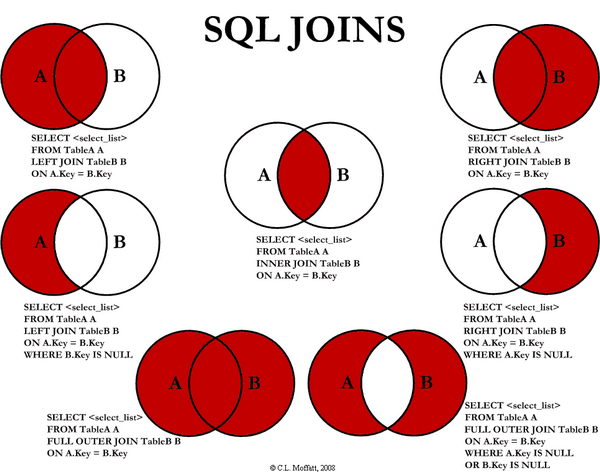
SQL Joins
For those of you that use or want to learn to use SQL but struggle with “joins” I found this diagram really helpful.
-
50 Essential Management Tips
For those of you that prefer a digital version of the booklet from The Academy around the top 50 tips for line managers you can download or read a copy below.
-
10 More Tricks to Appear Smart in Meetings
If you’re trying to get ahead in the corporate world, appearing smart in meetings should be your top priority. This can be hard if you find yourself daydreaming about Mexico, margaritas or queso cheese dip. The good kind.
If this happens, keep one of these tricks in your back pocket so you always look like you know what everyone’s talking about even though you definitely do not.
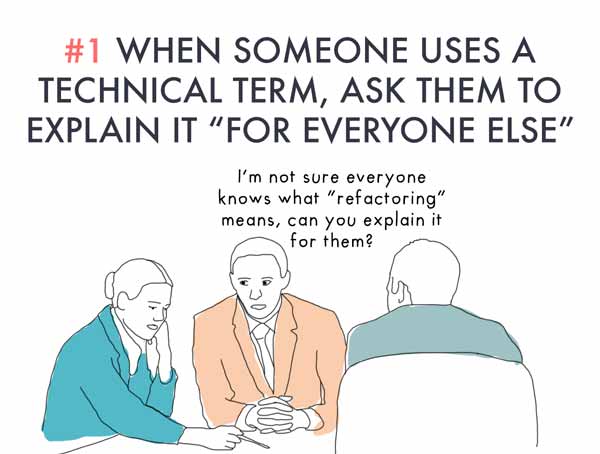
If a technical term is used, stop the person and say, “I think some folks here might not know what that is, could you explain it for them?” or “I think we might have different interpretations of that word, can you describe how you’re using it?” This way you look like you’re trying to get everyone up to speed, and you can finally figure out what that technical term means.
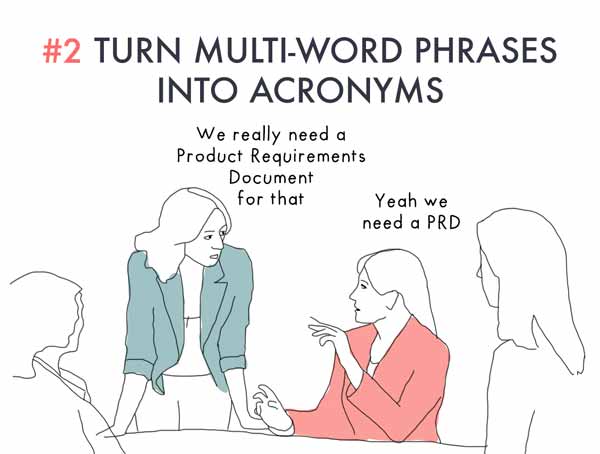
Anytime you hear a multi-word phrase, turn that phrase into an acronym on the fly (OTF) and repeat it back to them. This works best with three-word phrases such as “point of contact” (POC), “public relations nightmare” (PRN), or “product management system” (PMS).
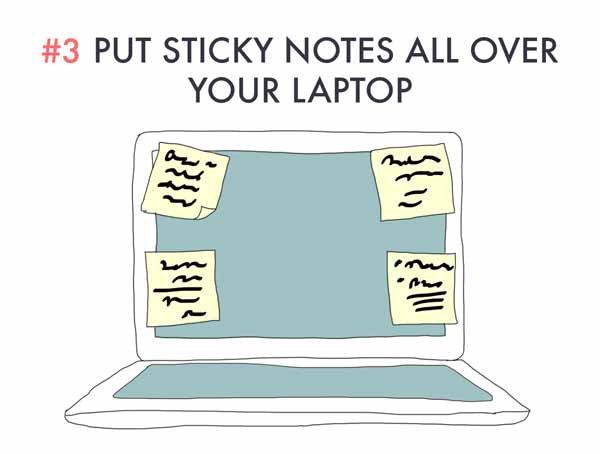
No one looks like they have more on their plate than someone with sticky notes all over their laptop, am I right? What do those sticky notes say? What do those bullet points and double underlines mean? It means you’re important.
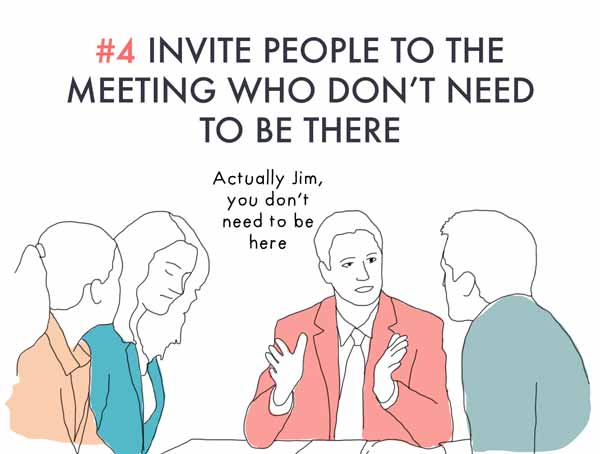
Have you ever been in a meeting where someone was told they weren’t needed? It’s the most embarrassing thing ever. It’s also a great thing to do to someone you don’t particularly like. After they arrive, wait until just after the meeting starts and point to that person. Let them know they can leave because they really aren’t needed. This power play will get you through the rest of the meeting looking like a real VP.
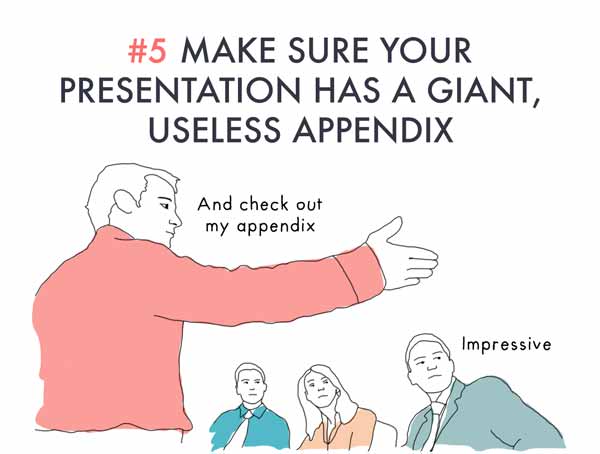
Slide decks are only as great as their giant, useless appendixes, so make sure yours has a ton of useless, not even remotely relevant slides in it. You’ll look like you really did your research.
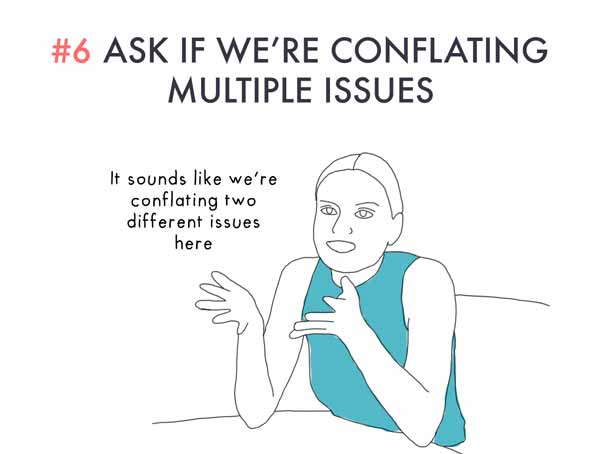
When someone says we’re conflating two issues, don’t you immediately think they’re smarter than you? I know I do. I don’t even know what conflating means but I know once I say it, it’ll be impressive, and definitely accurate.
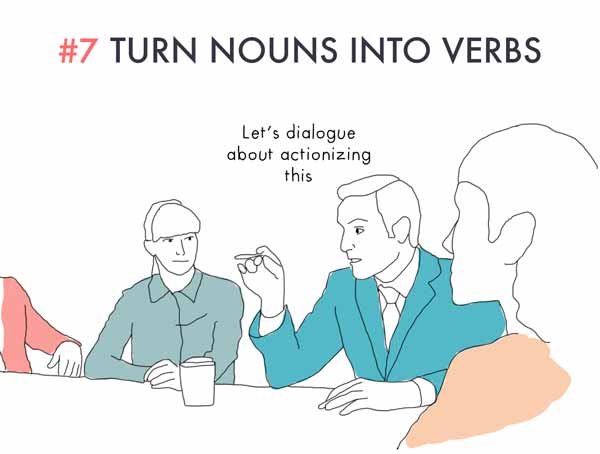
If you’re ever struggling for something to say, just take a noun and verbalize it. Using simple words in new and interesting ways will creativize your presence.
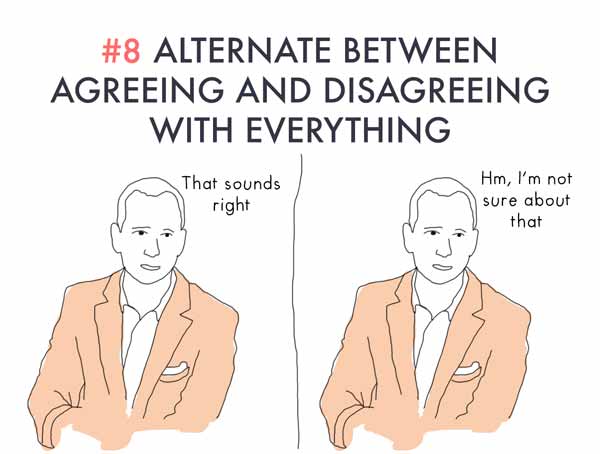
No one should ever be able to predict if you’re going to like or approve of anything. You know, like how it is with CEOs. The best way to fake this is to randomly alternate between agreeing and disagreeing. You’ll be perceived as a mystery and everyone will be on the edge of their seats wondering what you’re going to say.
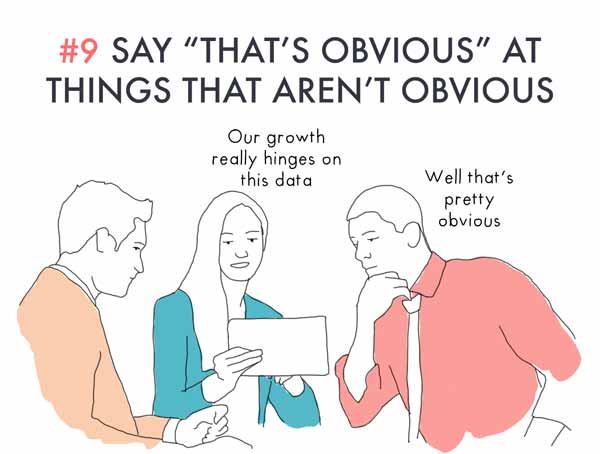
People who are never surprised by anything always seem wise beyond their years, don’t they? By saying things are “pretty obvious,” you make it seem like you saw it coming all along, and have more experience than anyone else in the room.
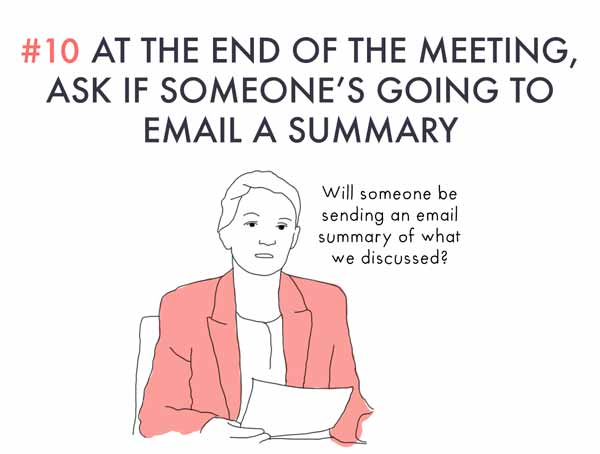
Show your coworkers you really care about what happened in the meeting by asking for an email summary, but also show them how valuable your time is by making it clear someone else needs to do this.
-
How to Say No Without Ever Saying No
Saying no is especially hard for people-pleasers. That’s why it’s good to have a game plan with many options of how you can say no by avoiding saying no. Here’s seven tips for how to say no at work without ever saying no.
1. Say nothing. Sometimes if you don’t respond to the request at all, it simply goes away. Sure, the requestor could think you’re being rude but don’t worry about that part for now. For now, just stay silent and bask in the glory of avoiding saying no.

2. Ask for more information. Once you receive the second request, ask for more information. Ask for some information that would be impossible to get. This way you really may never hear from them again.

3. Say “Maybe.” After they get back to you with that information you were sure they wouldn’t have, say you’ll have to think about it. Give them a definite maybe. Then just never respond to them. Once again, you can rest assured knowing you’ve avoided a confrontation.

4. Say “Not right now.” After they don’t forget about it, say that now isn’t a good time. Say you’ve got a full plate of responsibilities right now. When they ask you for a better time, give them a very specific time in the very distant future and they likely will have totally forgotten about it by then, or did it themselves or asked someone else. Either way, you got away.

5. Say you’ll get back to them. Saying you’ll get back to them is a great way to say no. You can say how much you really want to do this thing, but then also appear as if not doing it may just be out of your hands due to how busy you are.

6. Offer something else instead. Maybe there’s something else you could do instead of that thing you’re being asked. This will make you look generous without having to say no to that thing they were asking you to do. But keep in mind, you may end up having to do both things now.

7. Say yes. Saying Yes is the easiest way to say No. It means you can make the other person happy and you can make myself momentarily happy because you feel like such a great employee. Just beware that the dread of actually having to do this thing will set in quickly, and then you’ll probably end up not doing it anyway, making both you and the person who asked you to do the thing both very, very miserable.

If these steps don’t work, try being honest, saying no firmly but kindly and not making any excuses you’ll have to answer for later. But this is only as a last and final resort.